Much has been written about the future of solar following the passage of the One Big Beautiful Bill and its sweeping changes to federal clean energy incentives. The recent midterm elections have introduced a new chapter in the energy policy conversation. But for commercial real estate owners, the most important question is not what's happening in Washington. It's what's happening to the economics of solar at their properties.
And on that front, there's good news.
Across SolarKal's national marketplace, the lease payments solar developers are offering commercial property owners for the use of their rooftops remain comparable to those offered a year ago. Developers continue to actively compete for viable commercial solar projects. Despite those significant changes to federal tax policy, commercial property owners can still turn underutilized rooftop space into a meaningful, long-term revenue stream without investing capital.
What's driving this resilience? And what should commercial real estate owners know as they evaluate opportunities heading into 2027?
One important factor underpinning these strong economics is that many solar developers anticipated changes to federal tax policy and took steps to preserve their eligibility for federal tax credits. Across our marketplace, developers have secured substantial inventories of safe-harbored equipment, enabling qualifying projects to benefit from federal tax incentives by achieving ‘start of construction’ deadlines. This is helping sustain competitive lease offerings and attractive financial returns for commercial property owners.
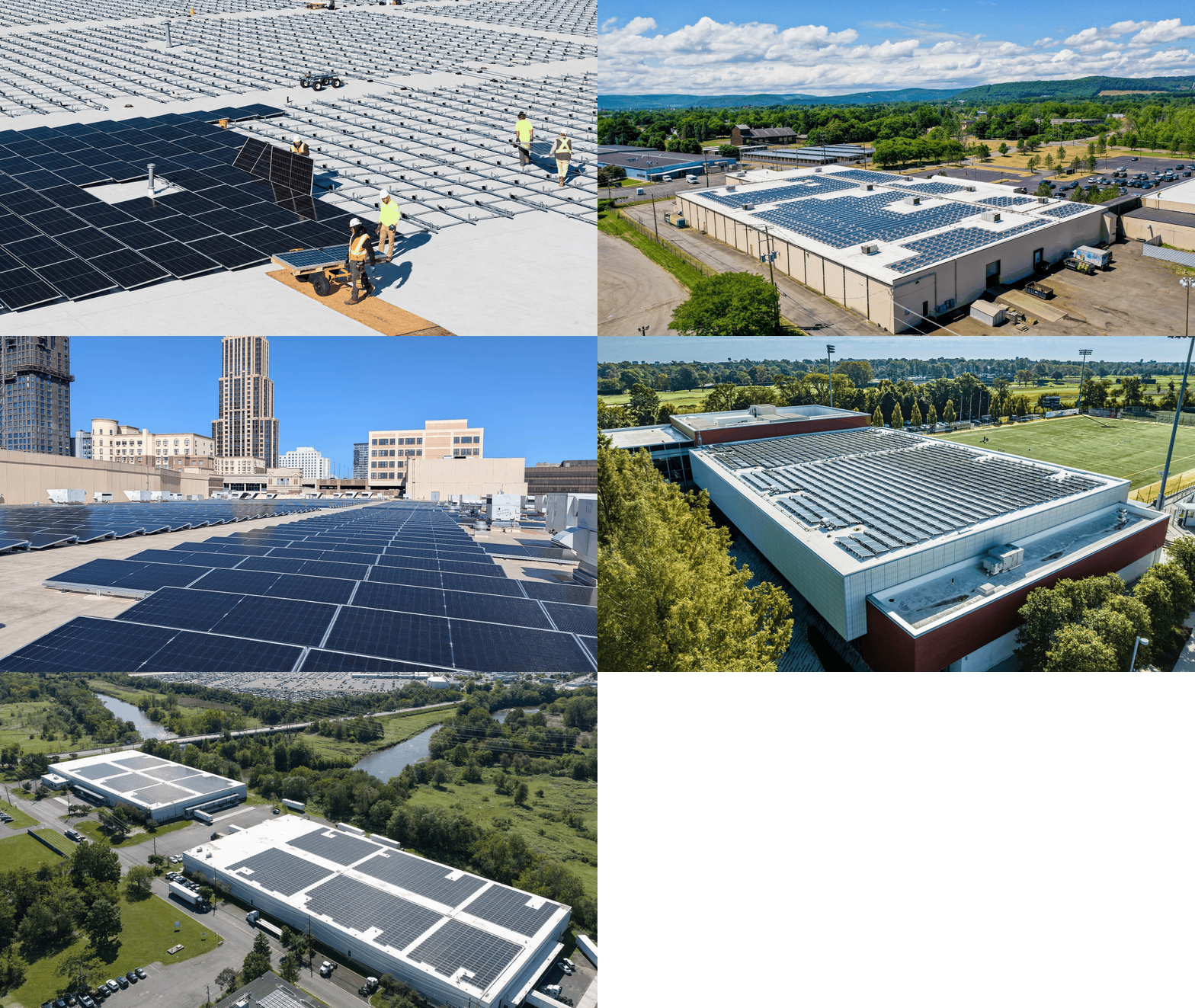
Commercial solar is a long-term real estate play. Unlike a conventional tenant lease, the solar leasing and development process can take a year or two. But once the system is operational, solar becomes a remarkably high-paying, low-maintenance tenant, generating additional net operating income from otherwise underutilized space, without a capital investment in the solar installation.
SolarKal exists to help property owners navigate the complexities of solar development, minimize the demands on their internal resources and maximize the financial value of their projects. From initial feasibility through commercial operation, we work on behalf of property owners, protecting their interests every step of the way.
When a solar project does reach its final milestone and comes online, renewable energy begins to flow, along with the economic rewards, creating a new, steady stream of revenue for the property owner for 20 years or more.
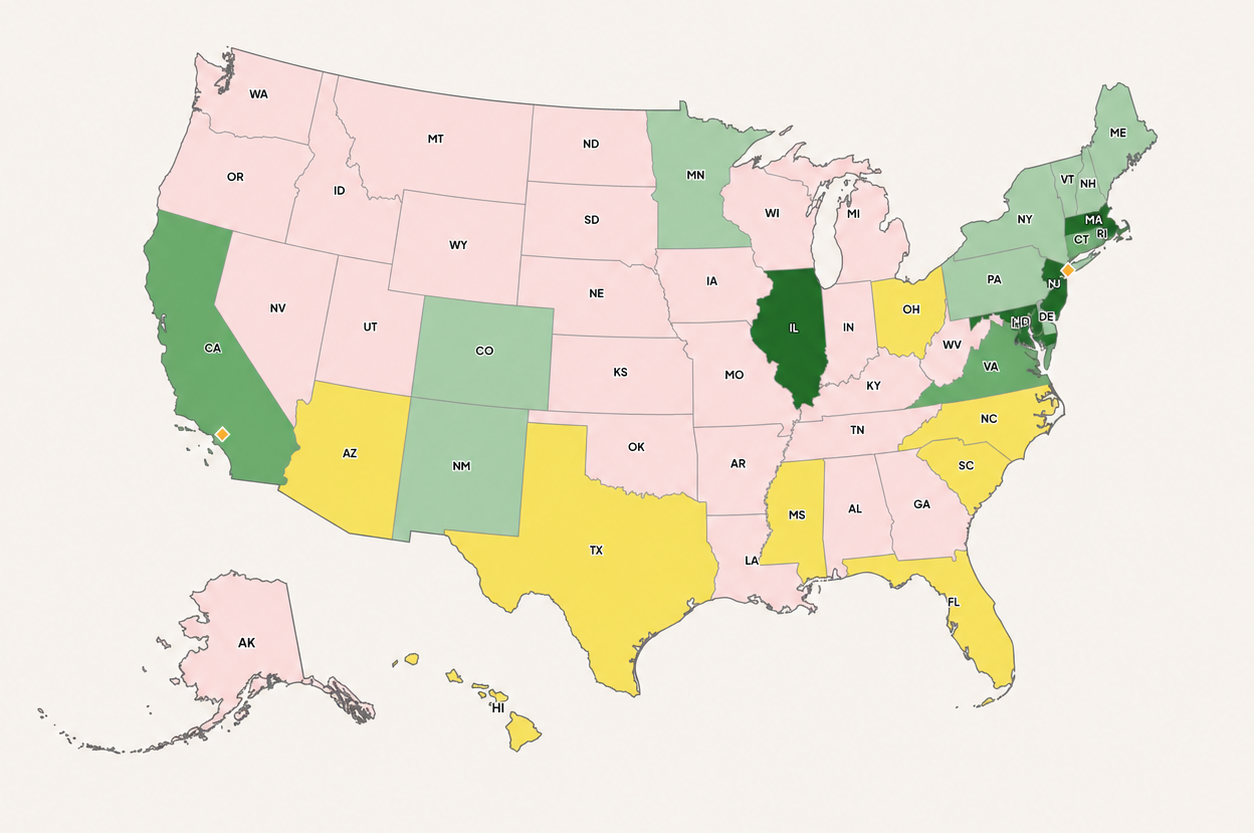
The November midterm elections may mark a turning point in the political landscape for renewable energy. While the prospects for reversing changes to federal solar incentives enacted as part of the One Big Beautiful Bill Act (OBBBA) remain uncertain, the elections could pave the way for meaningful advances in energy policy at the state level.
With electricity affordability and big tech power demand high on the agenda, we're watching Pennsylvania, where a new Democratic trifecta could advance stalled distributed solar legislation; California, where community solar may finally gain traction; and Minnesota, where distributed energy bills could regain momentum.
Read more: Democrats' state wins open the door for major clean energy progress, Canary Media.
While the policy landscape continues to evolve, the economic fundamentals of commercial solar remain strong. Developers are actively competing for projects, lease rates are holding steady, and property owners have the opportunity to generate decades of incremental NOI without investing capital.
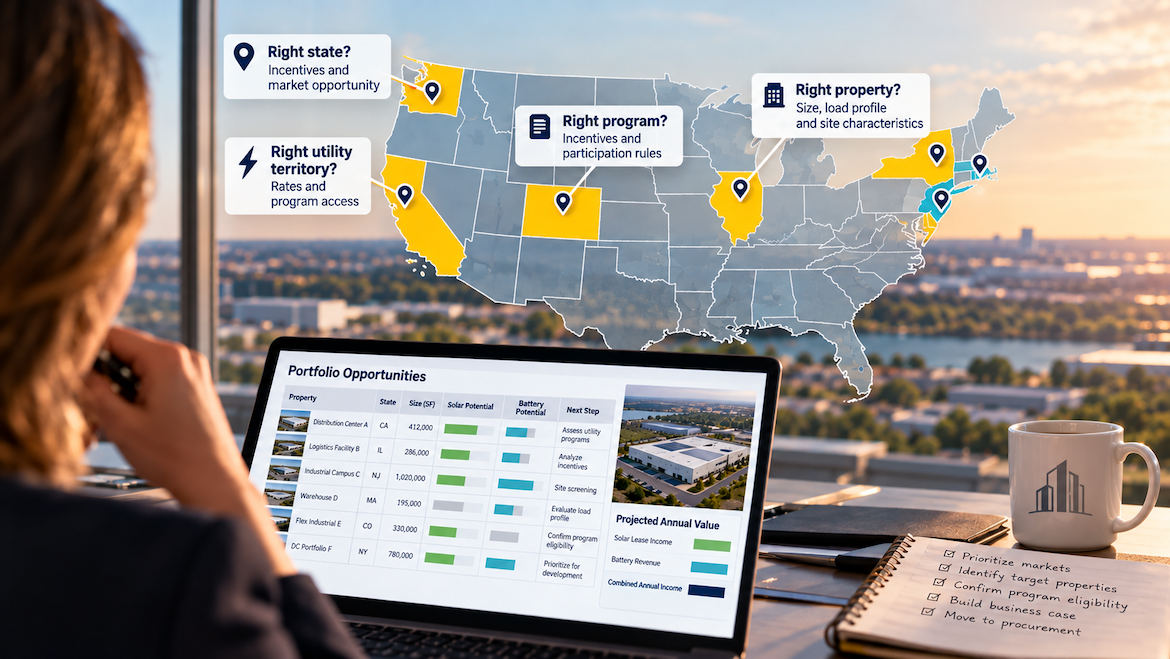
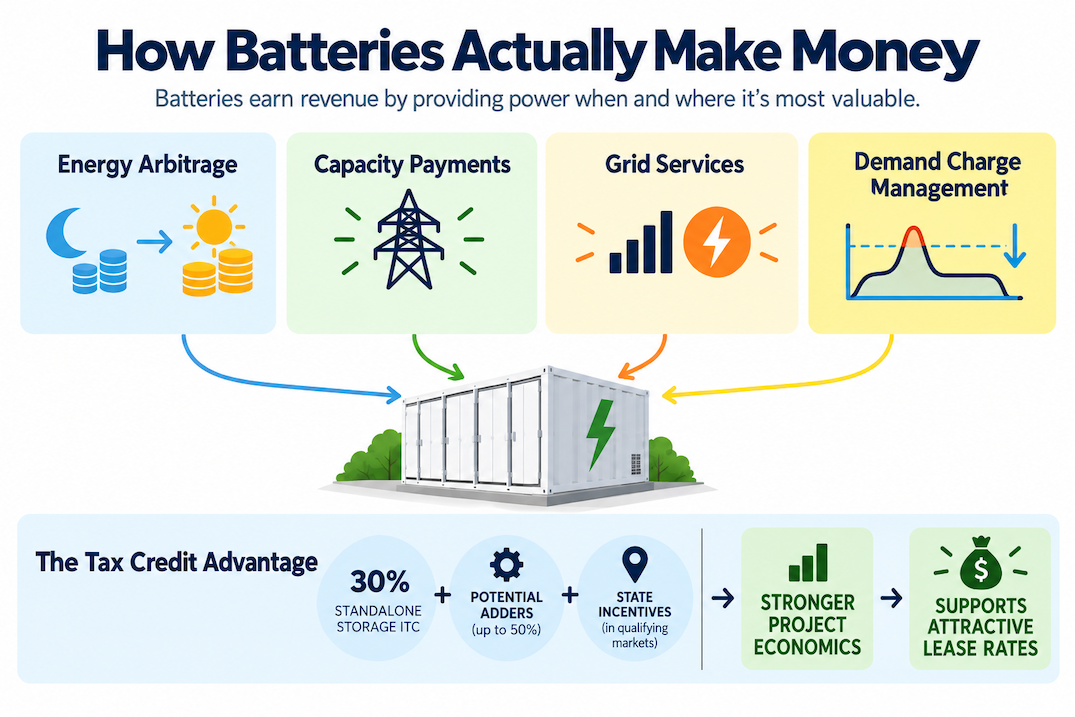
If you haven't evaluated your portfolio recently, now is the time. With solar economics holding strong and a burgeoning battery energy storage market adding new revenue opportunities, your properties may hold even greater potential than they did a year ago.
Contact SolarKal today to uncover the full solar and battery storage potential of your portfolio.
Connect With an Expert
Unlock Your Solar Revenue
Unlock Your Solar Revenue